
During my summer breaks, I’d work with my parents in the field. Before sunrise, I’d begin laying paper sheets between the rows of grapes so that my mom could arrange them to dry. After several weeks under the sun, the grapes would become raisins. We’d leave as the sun went down, covered in pesticides and dirt. Later, I’d overhear my parents’ hushed tones over rent and stolen wages.
Today, family members, neighbors, and folks I organize at Centro Binacional para el Desarrollo Indígena Oaxaqueño (CBDIO) continue to experience wage theft on top of extreme heat without breaks, language barriers, and the escalating threat of ICE. The vast majority of wage theft violators are often farm labor contractors (FLCs).
Farm labor contractors act like middlemen between farms and farmworkers. They recruit, supervise, and pay laborers on behalf of the farm. Between 2005 and 2019, the federal Department of Labor detected 39,000 wage and hour violations by FLCs in California, or half of the agricultural labor violations in the state. This doesn’t even include those reported to the California Labor Commissioner and the significant portion that go unreported.
The San Joaquin Valley, where I live, is home to over a quarter of the 360,000 farmworkers employed by FLCs in California. About half of farmworkers in California are undocumented, meaning they entered the United States without legal authorization or overstayed their visas. They often avoid reporting their employers, which allows and even encourages FLC’s to exploit farmworkers by stealing their pay.
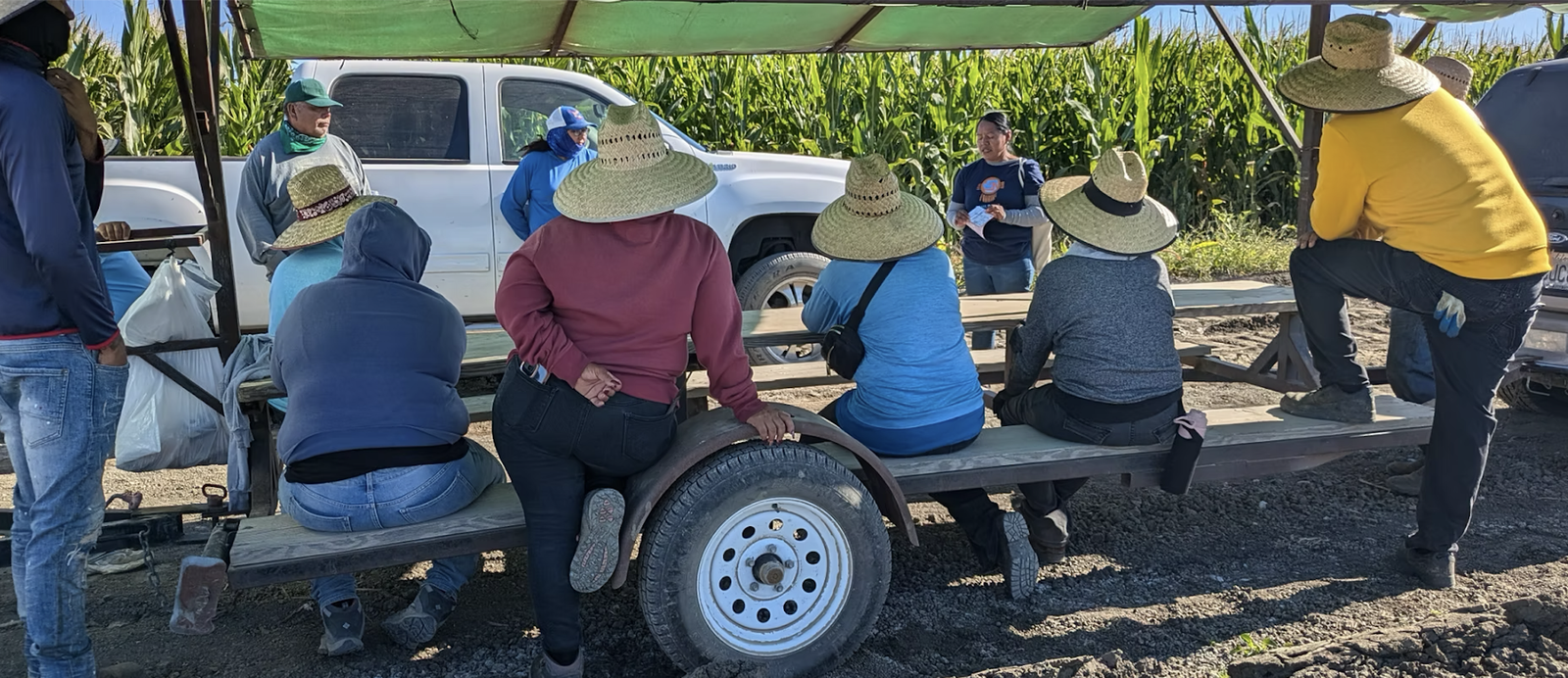
In UC Merced’s 2022 Farmworker Health Study, almost a quarter of farmworkers say that they don’t want to report their employer for workplace non-compliance because they fear that they’ll lose their job or get deported, both of which would economically devastate their families. Although workers come to the U.S. for better opportunities, labor rights violators are the ones who benefit most from their eagerness to work and reluctance to upset their employer.
Lack of legal stability, clear labor rights information in their language, and appropriate compensation complicates life for farmworkers and their families.They often live in cramped quarters with other families, fall easily into debt, and lack nutritious food, despite harvesting the fruits, nuts, and vegetables of the nation.
For the farmworkers who choose to fight for their stolen wages, organizations like mine help submit claims to the California Labor Commissioner’s Office. But our resources only go so far. Since the initial claim hearing dates can take over two years to be assigned, the FLC accused of wage theft may fail to attend the hearing, change their company name, or claim bankruptcy, forcing the case to go stale. If the case somehow proceeds and the worker wins, this happens after three to five grueling years of waiting. However, if their FLC employer fails to pay, the backup fund that is supposed to act like insurance against FLC wage theft is usually long dried out. Despite these odds, farmworkers continue to work, risking further wage theft because they have no choice.
However, this backup fund is called the Farm Labor Contractor Bond, and there is a state bill headed to the Senate floor that aims to increase the funds available in it. AB 2227, authored by Assemblymember Connolly, would not just increase the bond to fully compensate workers but would also simplify the claim process and make information about the bond more accessible and multilingual. A farmworker resourced by CBDIO shared why the bill mattered: “Apart from doing the heavy and difficult work, we have to fight to get paid. Our rent does not wait.”
It’s now up to our state senators to demonstrate that California can treat the workers that feed the world with dignity, rather than leave them out to dry.
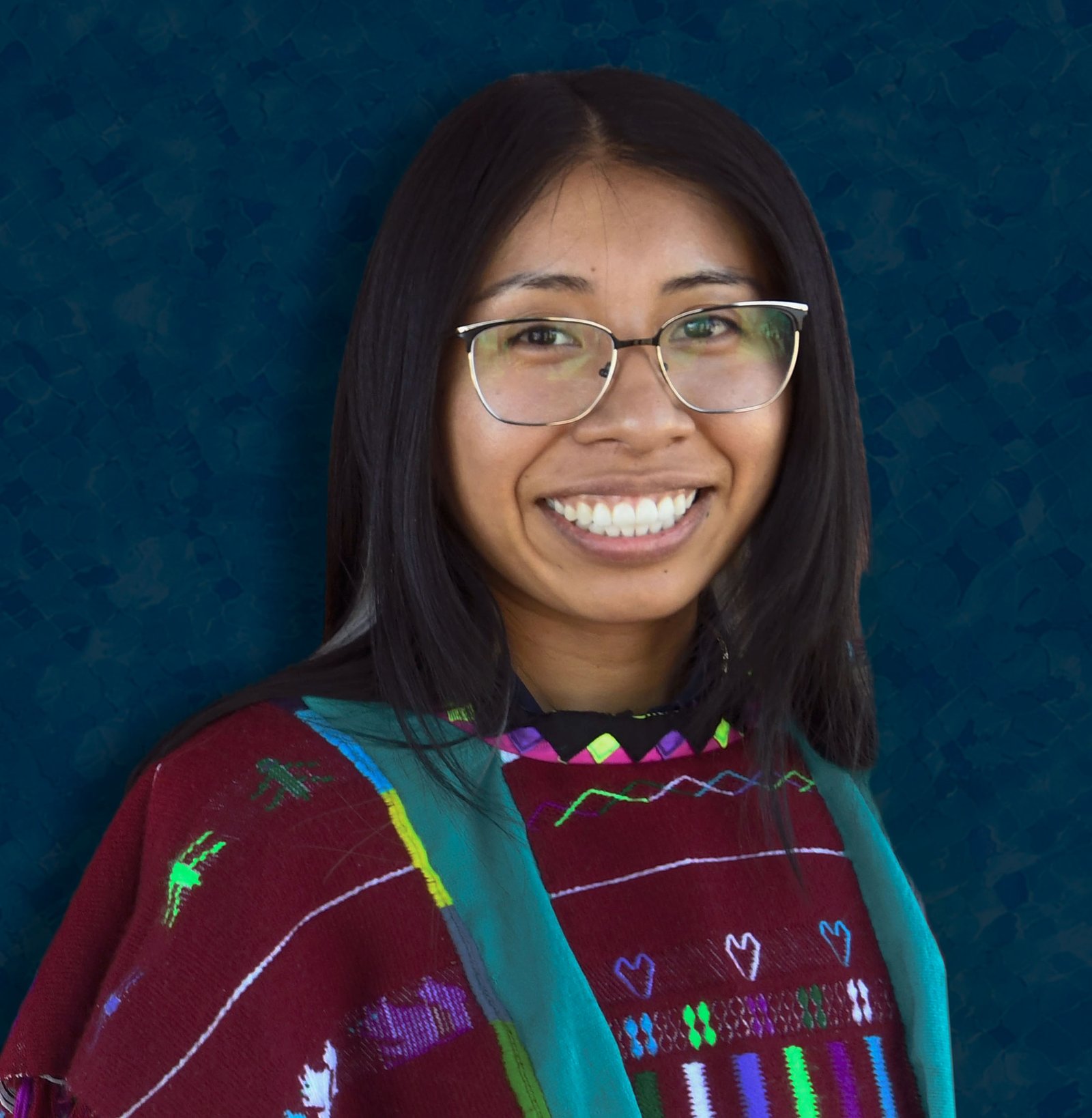 Amalia Bernardo was born in San Martin Itunyoso, Oaxaca, Mexico, and raised by two hard working immigrant parents in the Central Valley. They have worked in agricultural jobs across California, Oregon, and Washington. Trilingual in Spanish, English, and Triqui, she is a proud first-generation college graduate with a bachelor’s degree in Biochemistry. Amalia joined the CBDIO team in 2020 as a community worker and is now the Labor Manager at the organization. In this role, she advocates for Indigenous immigrant farmworkers and families, while supporting the organization’s efforts to organize workers and recover stolen wages. Outside of work, Amalia enjoys spending time with family and going for long runs.